16 Clothing Care Tips Every Woman in Her 20s Should Know
In your twenties you are building a wardrobe, often on a tight budget, and the way you look after your clothes decides whether they last a few months or many years. Good clothing care saves money, keeps your favorite pieces looking new, and cuts down on waste, which is better for the planet as well
In your twenties you are building a wardrobe, often on a tight budget, and the way you look after your clothes decides whether they last a few months or many years. Good clothing care saves money, keeps your favorite pieces looking new, and cuts down on waste, which is better for the planet as well as your bank balance.
Here are 16 clothing care tips every woman in her 20s should know. Each is a simple habit that takes very little time, with practical advice on how to do it and why it makes such a difference.
1. Read the Care Label
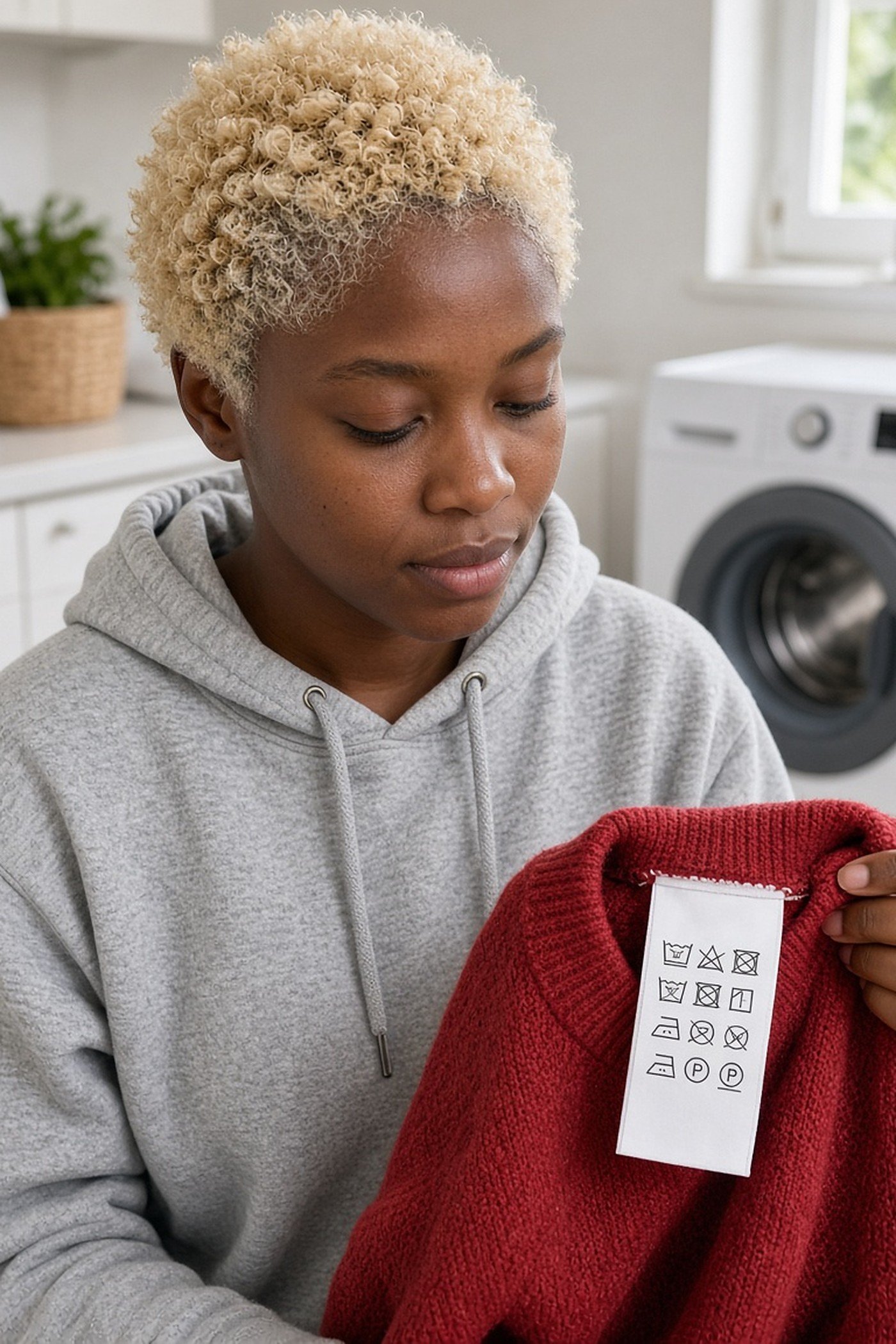
Care labels tell you the safest way to wash, dry, and iron each piece, and following them prevents shrinking, fading, and stretching. Learn the basic symbols: the tub for washing temperature, the square for drying, the iron for heat, and the circle for dry cleaning. Delicate fabrics like silk, wool, and viscose need the most attention. If a label says dry clean only, many items can still be hand washed gently, but test a hidden area first. Photograph labels before cutting off scratchy tags so you always have the instructions.
2. Wash Less Often
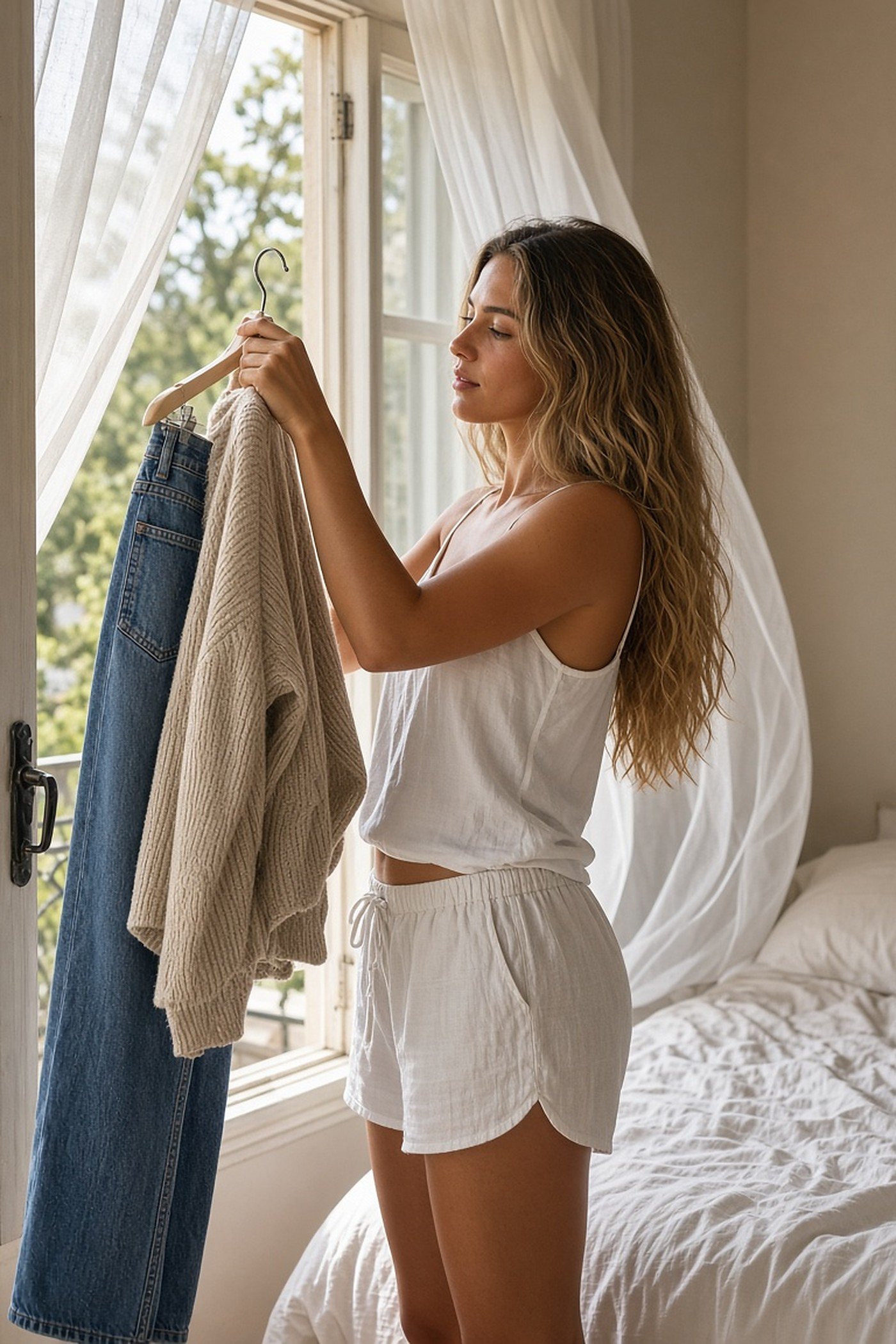
Many clothes, especially jeans, knitwear, and coats, do not need washing after every wear. Over-washing fades color, weakens fibers, and loosens shape. Instead, air pieces out on a hanger by an open window overnight and spot clean small marks with a damp cloth. Jeans can go many wears between washes, and wool naturally resists odors. Underwear, gym clothes, and tees worn against the skin still need regular washing. Washing less also saves water, energy, and detergent, which lowers your bills.
3. Use Cold Water
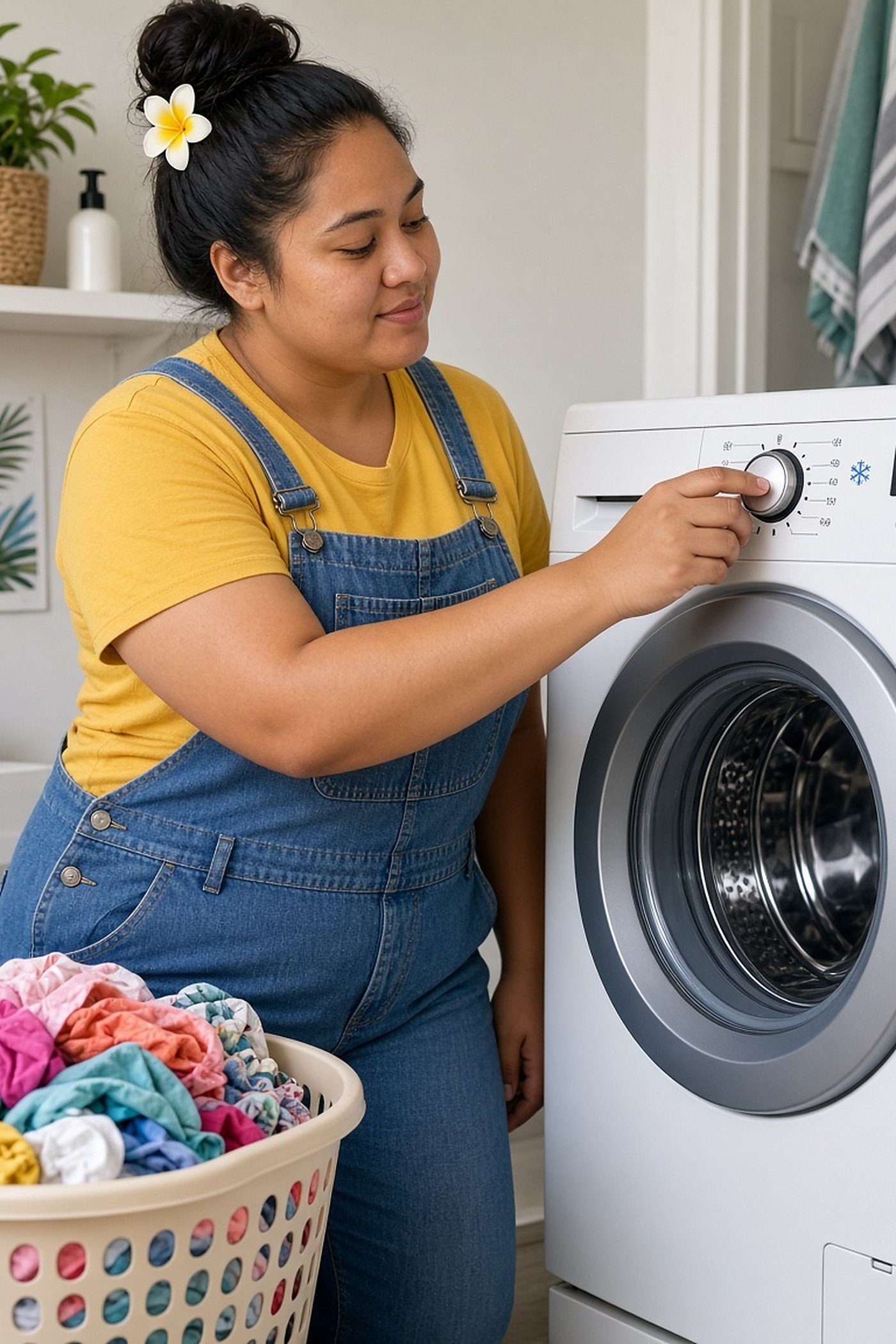
Cold washes protect colors, prevent shrinkage, and save energy, and most modern detergents work well at low temperatures. Thirty degrees Celsius or a cold cycle is fine for everyday clothes. Hot water can set protein stains like blood or sweat, so always start cold with those. Reserve hotter washes for towels, bedding, and very dirty items. A quick, cool cycle with a full but not overloaded drum gives the best results while being gentle on fabrics.
4. Turn Clothes Inside Out
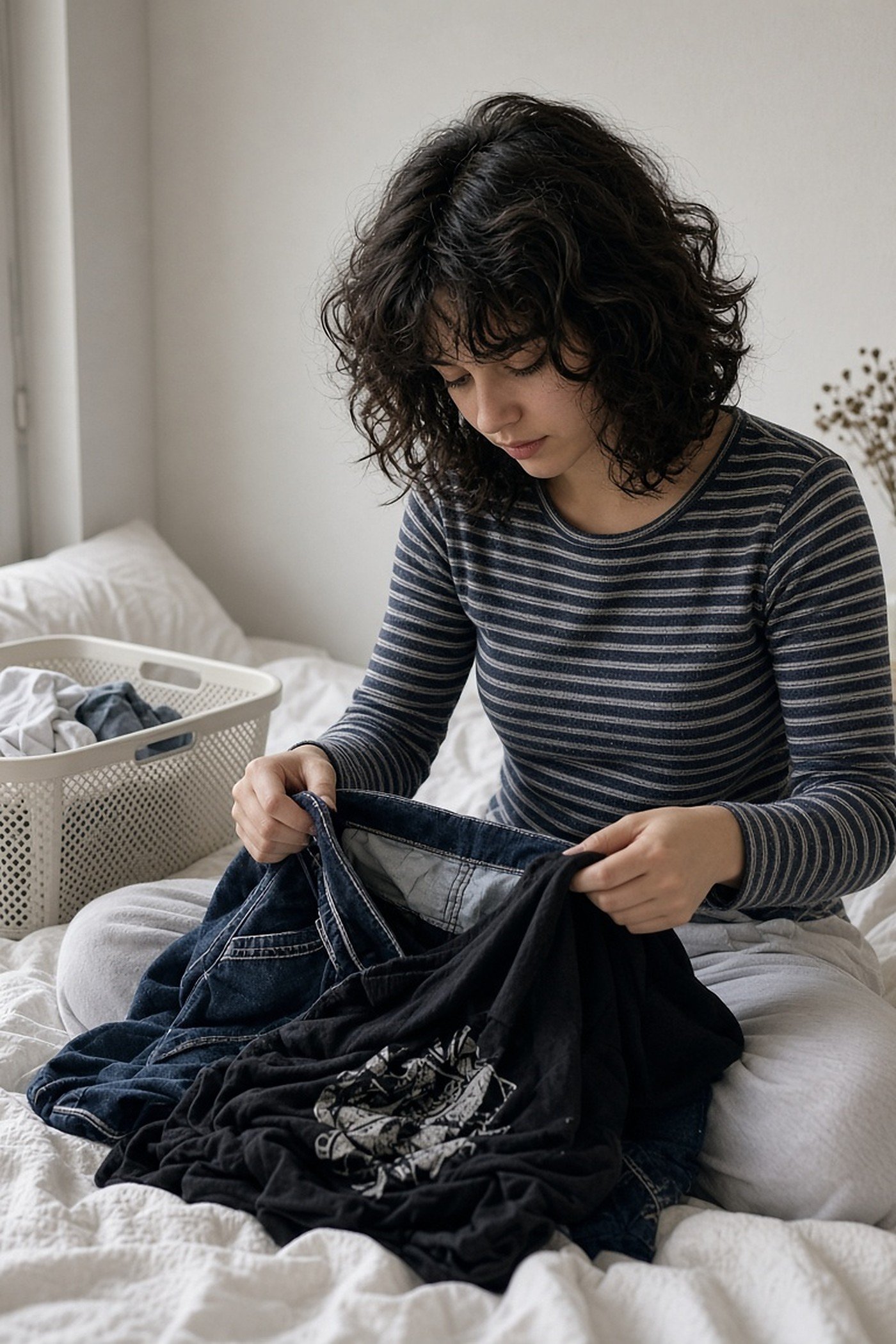
Turning jeans, printed tees, dark clothes, and anything with embellishments inside out before washing reduces fading and protects prints, sequins, and beads. It also reduces pilling on knitwear, because the outer surface rubs less against other clothes. Close zips and hooks to stop them snagging, and empty pockets to avoid surprises like tissues or lip balm. It takes seconds, and it noticeably extends the life of your favorite pieces.
5. Use Mesh Laundry Bags
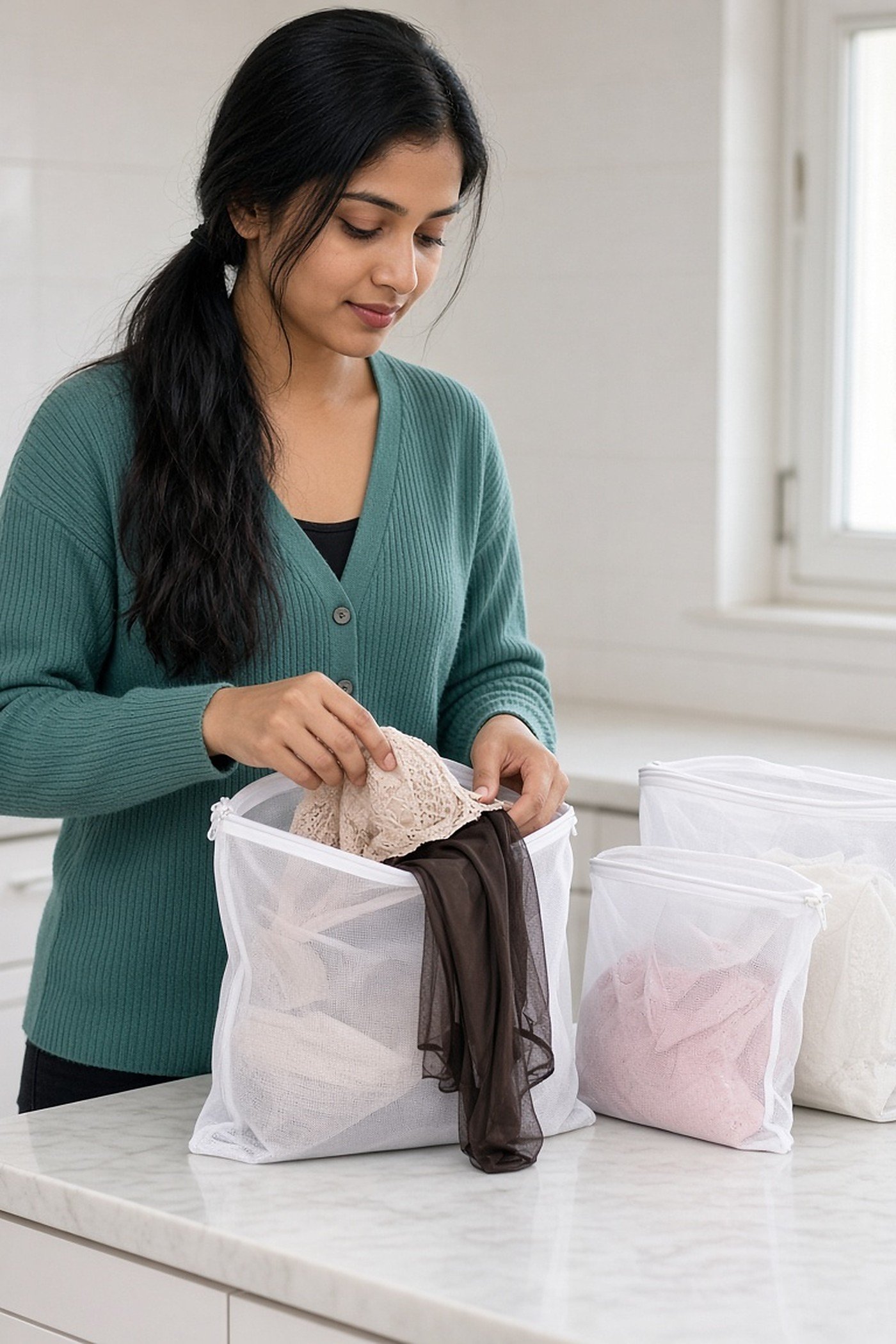
Mesh laundry bags protect bras, tights, lingerie, and delicate tops from snagging in the machine. They also keep small items like socks together. Fasten bra hooks before washing so they do not catch on other fabrics. Use separate bags for lights and darks. Mesh bags are inexpensive and make a huge difference to how long delicate items last, especially lace and fine knits.
6. Air Dry When Possible
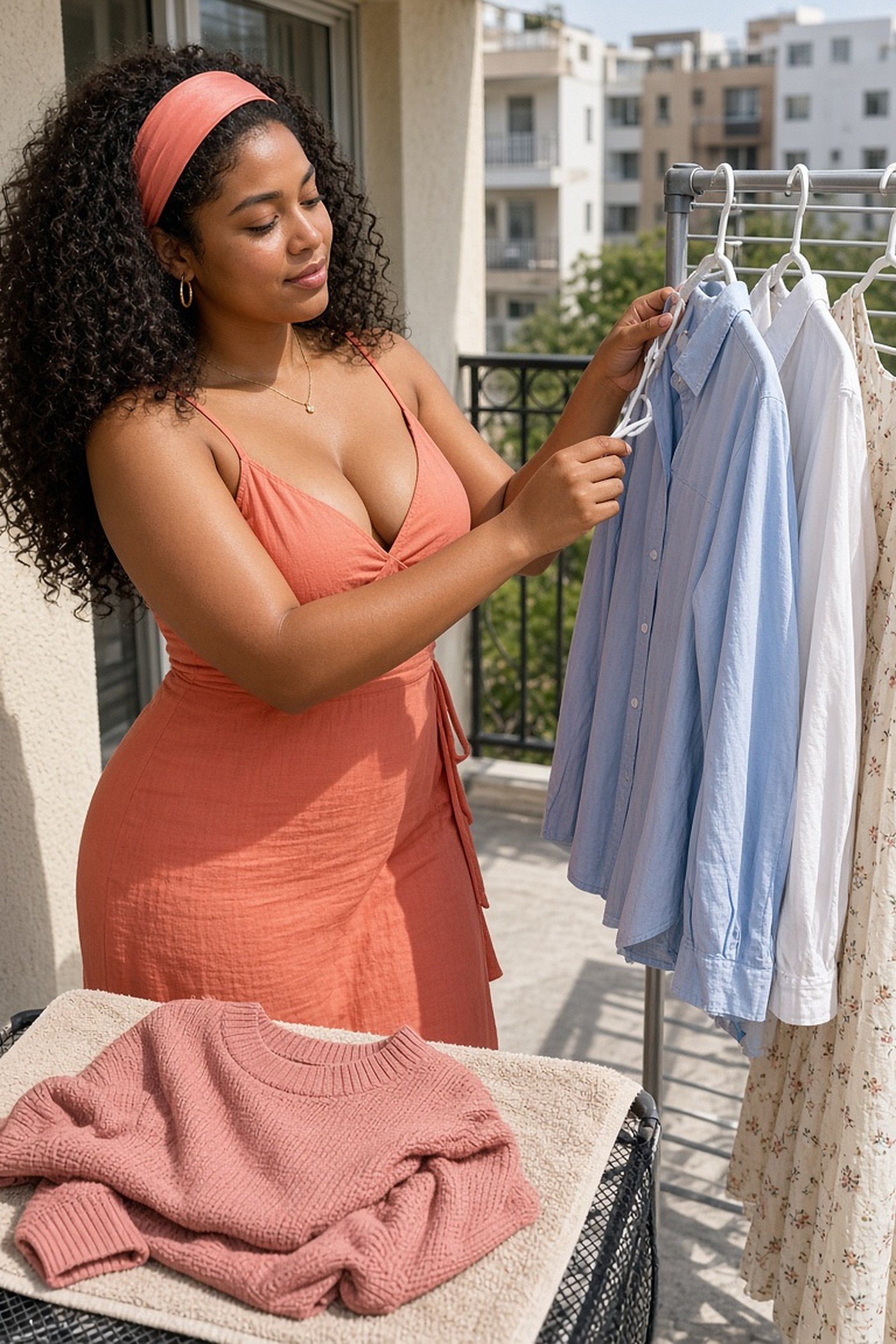
Dryers can shrink and weaken fabrics, fade colors, and damage elastic. Air drying keeps clothes in shape and saves energy. Hang shirts and dresses on hangers to reduce wrinkles, and dry knitwear flat on a towel so it does not stretch. Keep clothes out of direct strong sun, which can fade colors. If you use a dryer, choose a low heat setting and remove items promptly to prevent creasing.
7. Hand Wash Delicates
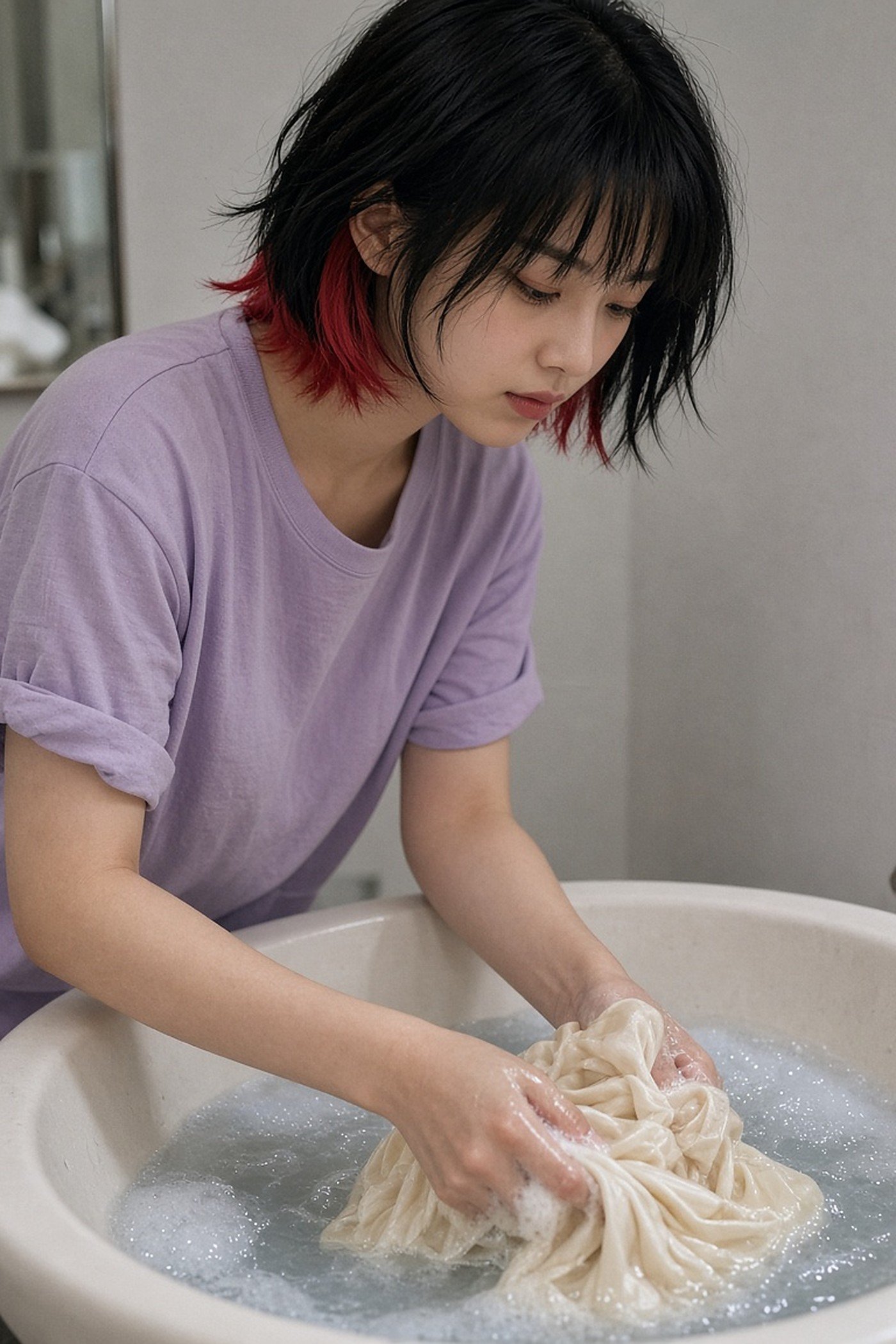
Silk, lace, fine knits, and anything beaded last much longer when gently hand washed. Fill a basin with cool water and a small amount of gentle or wool detergent, swish the item for a few minutes, and rinse well. Press the water out with a towel rather than wringing, which stretches fibers. Dry flat or on a padded hanger. Hand washing takes only a few minutes and keeps delicate pieces looking new.
8. Fold Knitwear
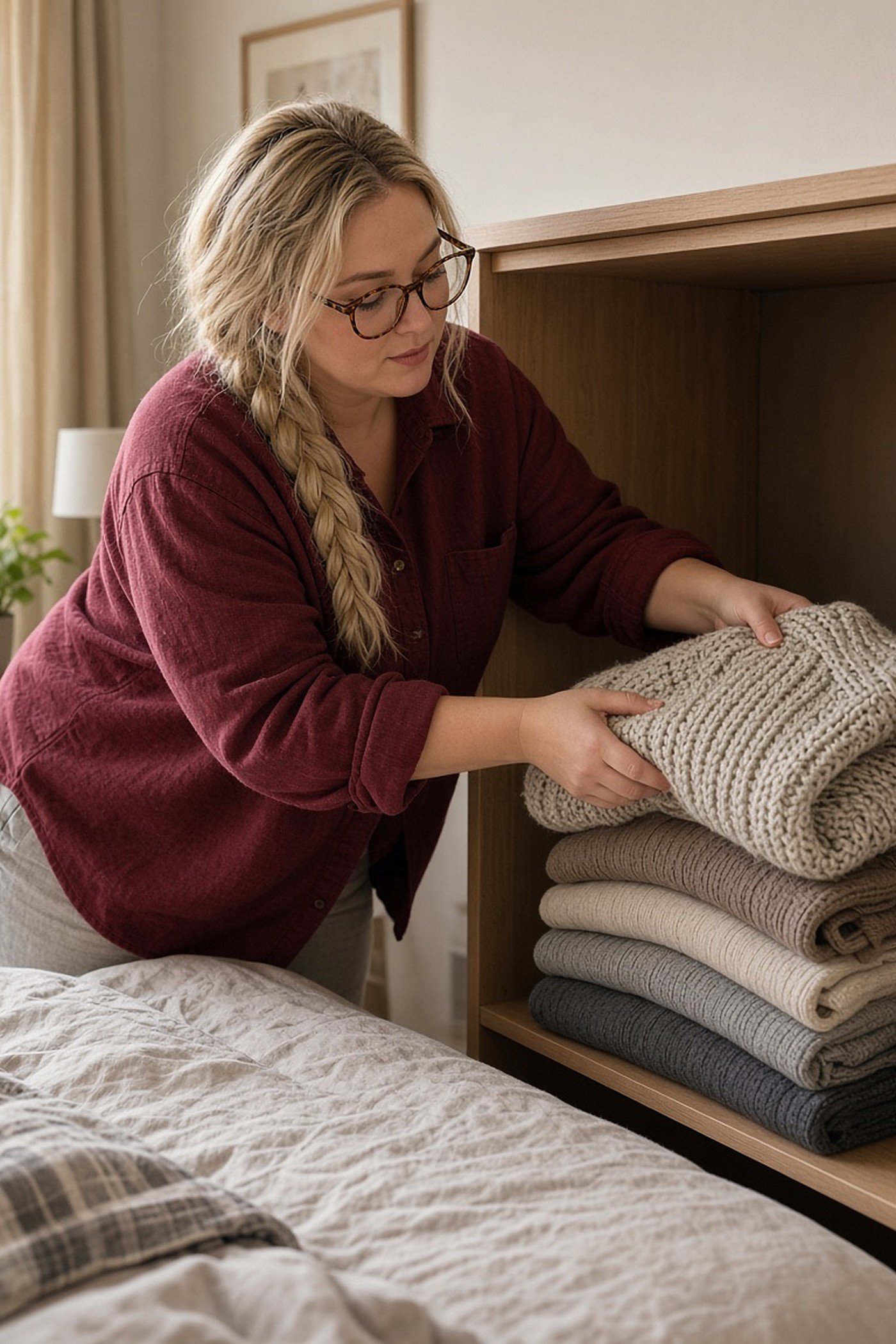
Hanging stretches sweaters and leaves shoulder bumps, so fold knitwear instead. Store sweaters on shelves or in drawers, with heavier knits at the bottom to avoid crushing lighter ones. If you must hang a knit, fold it over the bar of a hanger rather than hanging it by the shoulders. Folding also saves space and keeps your closet looking neat.
9. Use Good Hangers
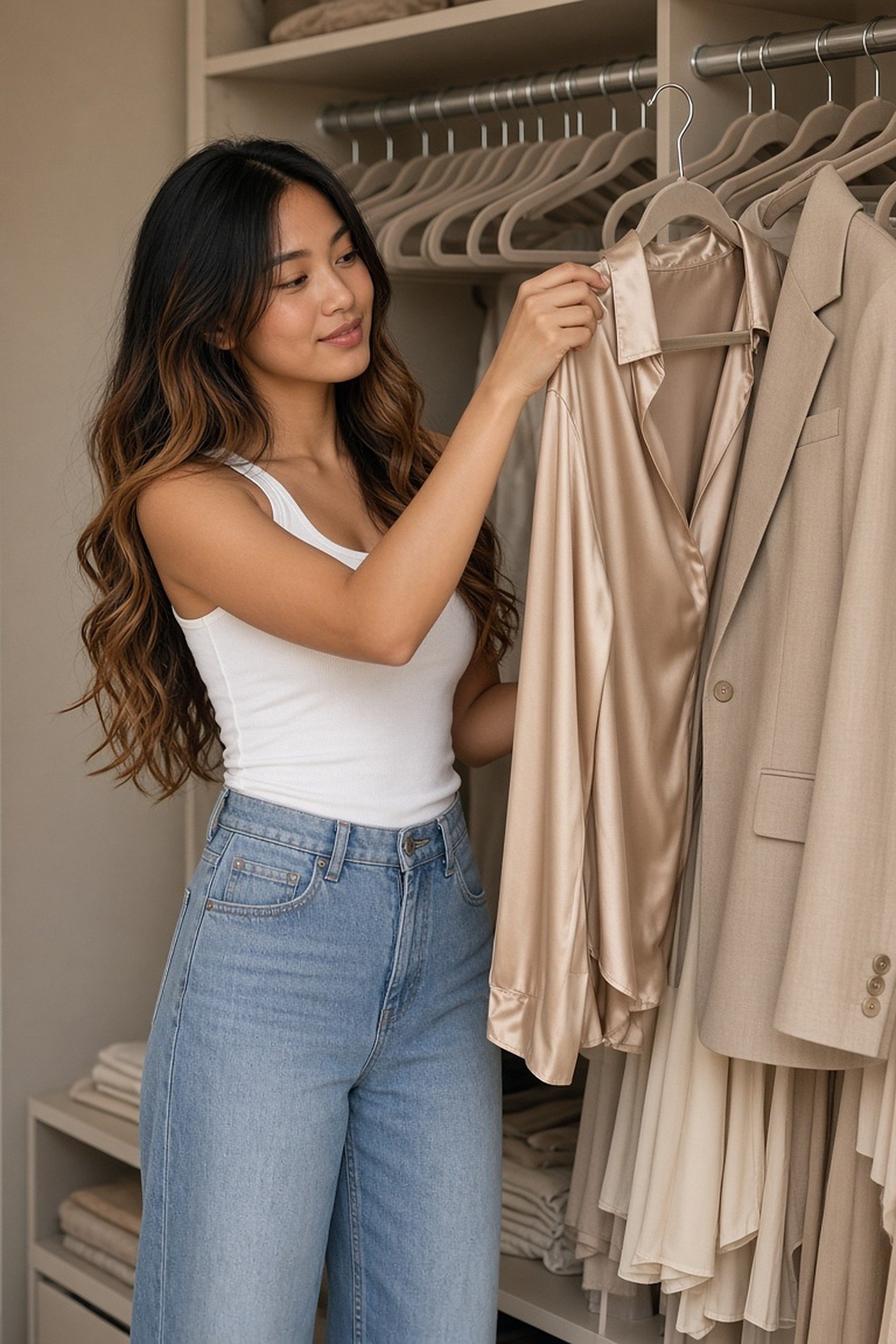
Wooden or velvet hangers keep the shoulders of coats, blazers, and shirts in shape, while thin wire hangers leave marks and stretch fabric. Velvet hangers stop silky blouses and slip dresses from sliding off. Matching hangers also make your closet look calm and organized. Use sturdy, shaped hangers for coats and jackets so they hold their structure over years of wear.
10. Steam Instead of Iron
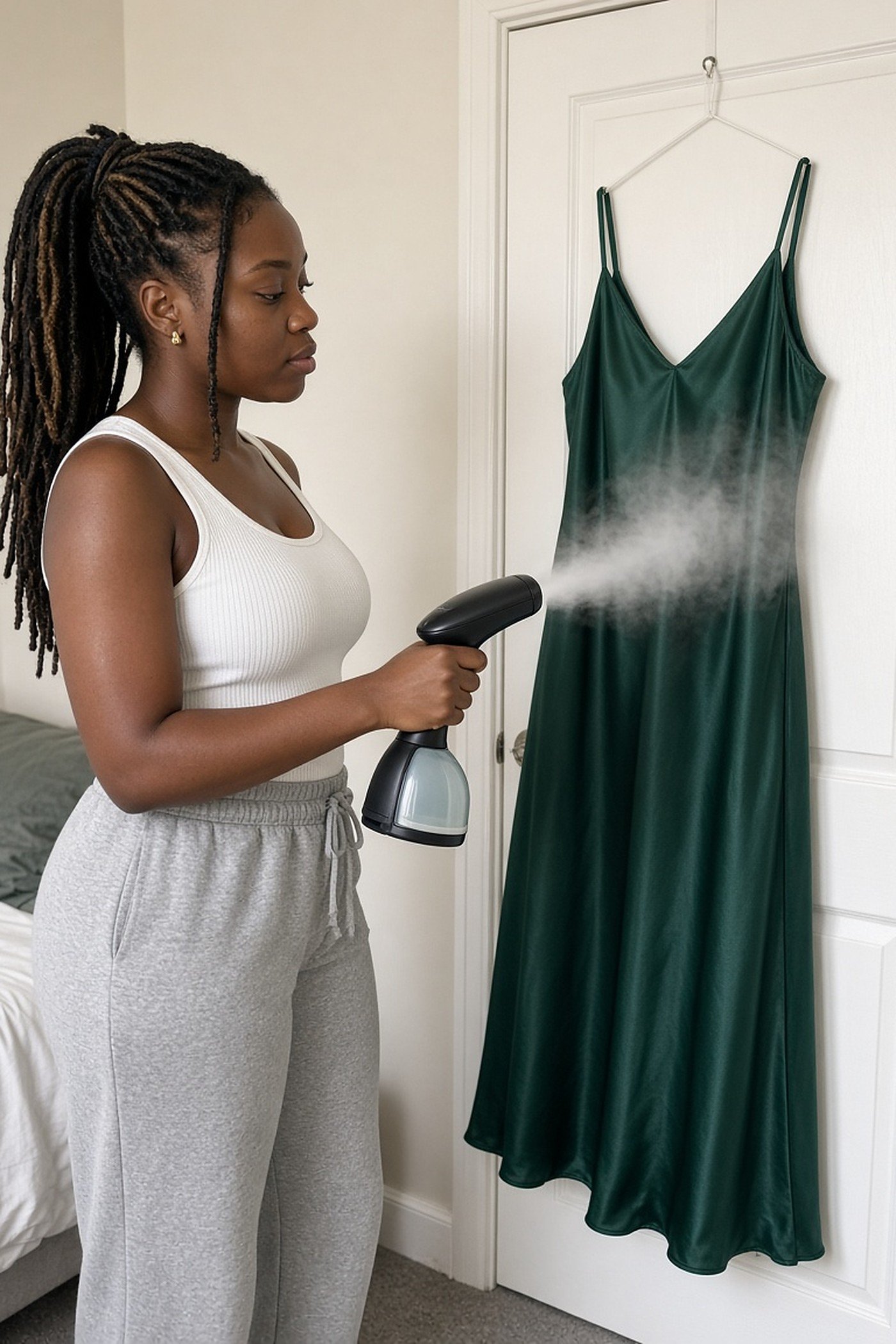
A handheld steamer removes wrinkles gently and quickly, and it is kinder to delicate fabrics like silk and satin than an iron. Steaming also freshens clothes between wears and helps release odors. Hang the item, hold the steamer a few centimeters away, and move it slowly downward. Use an iron for crisp cotton shirts and trousers, but a steamer for almost everything else.
11. Treat Stains Quickly
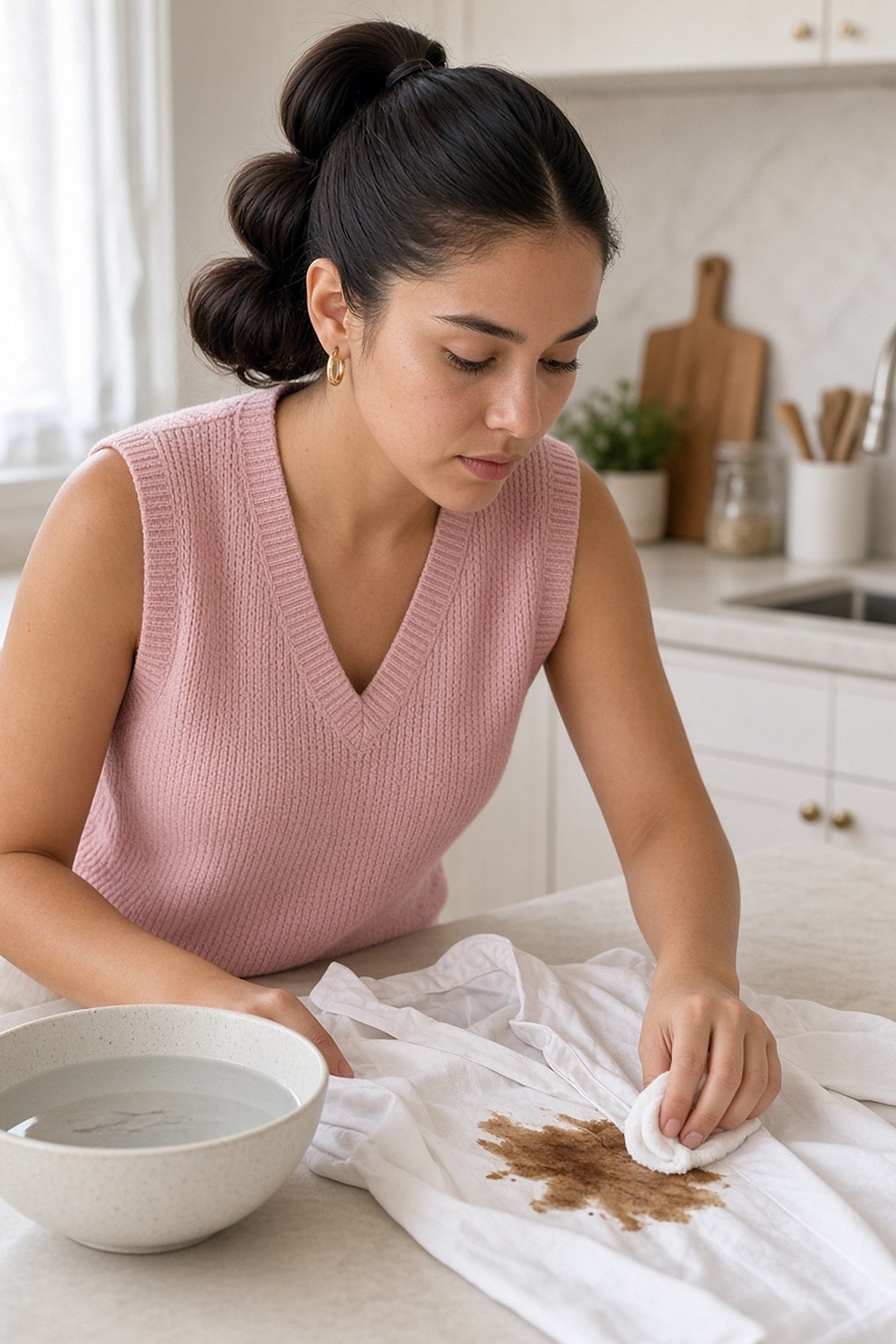
The faster you treat a stain, the more likely it will come out. Blot rather than rub, which spreads the stain and damages fibers. Rinse with cold water from the back of the fabric, then apply stain remover or a little dish soap and leave it before washing. Never put a stained item in the dryer, as heat can set it permanently. Keep a stain pen in your bag for emergencies.
12. Remove Pilling
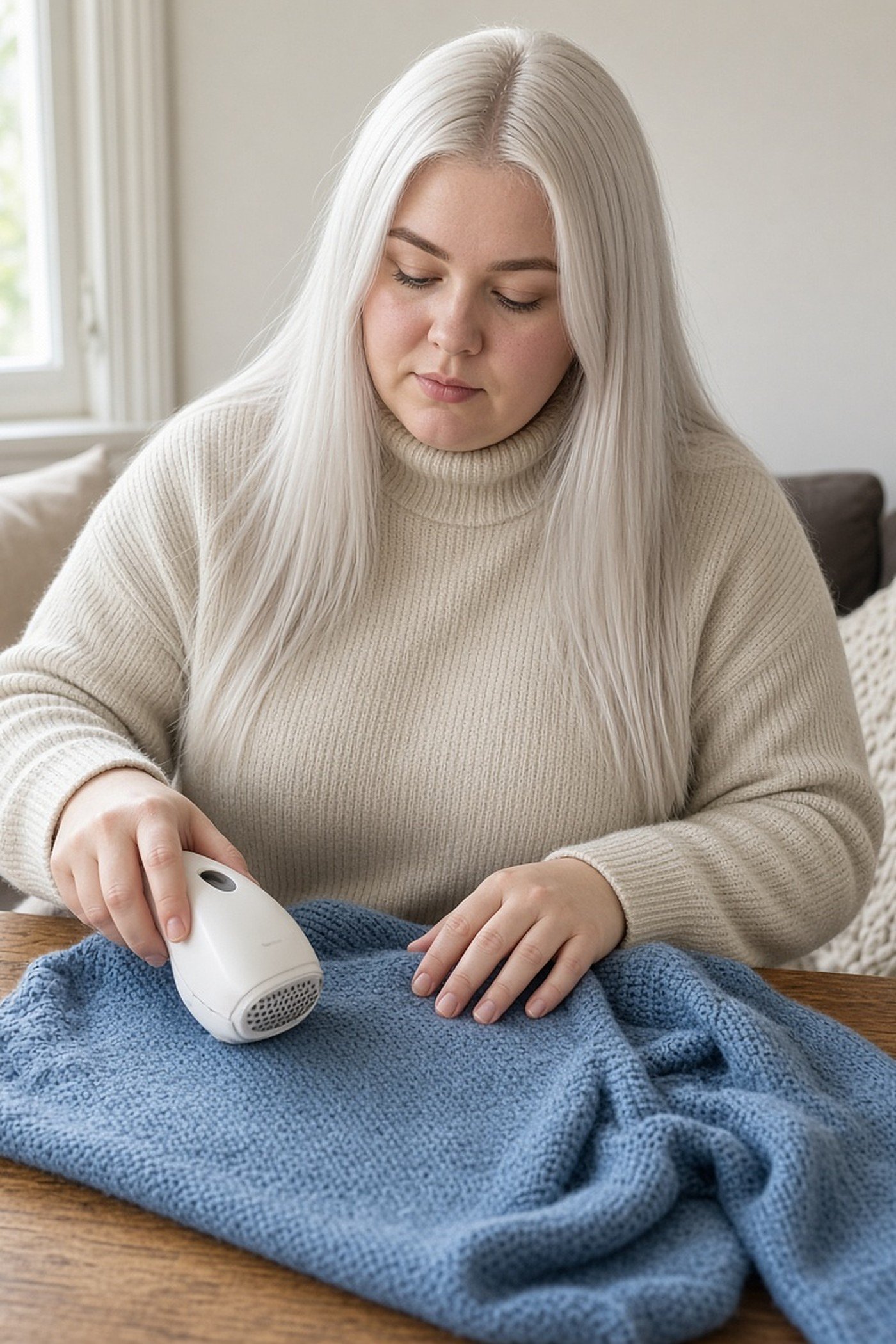
Pilling makes sweaters look old even when they are not. A fabric shaver or cashmere comb removes pills quickly and makes knits look new again. Lay the sweater flat and move the shaver gently in small circles. Washing knits inside out, in a mesh bag, and on a gentle cycle reduces future pilling. Choosing higher-quality, tightly knit fabrics also helps.
13. Learn Basic Sewing
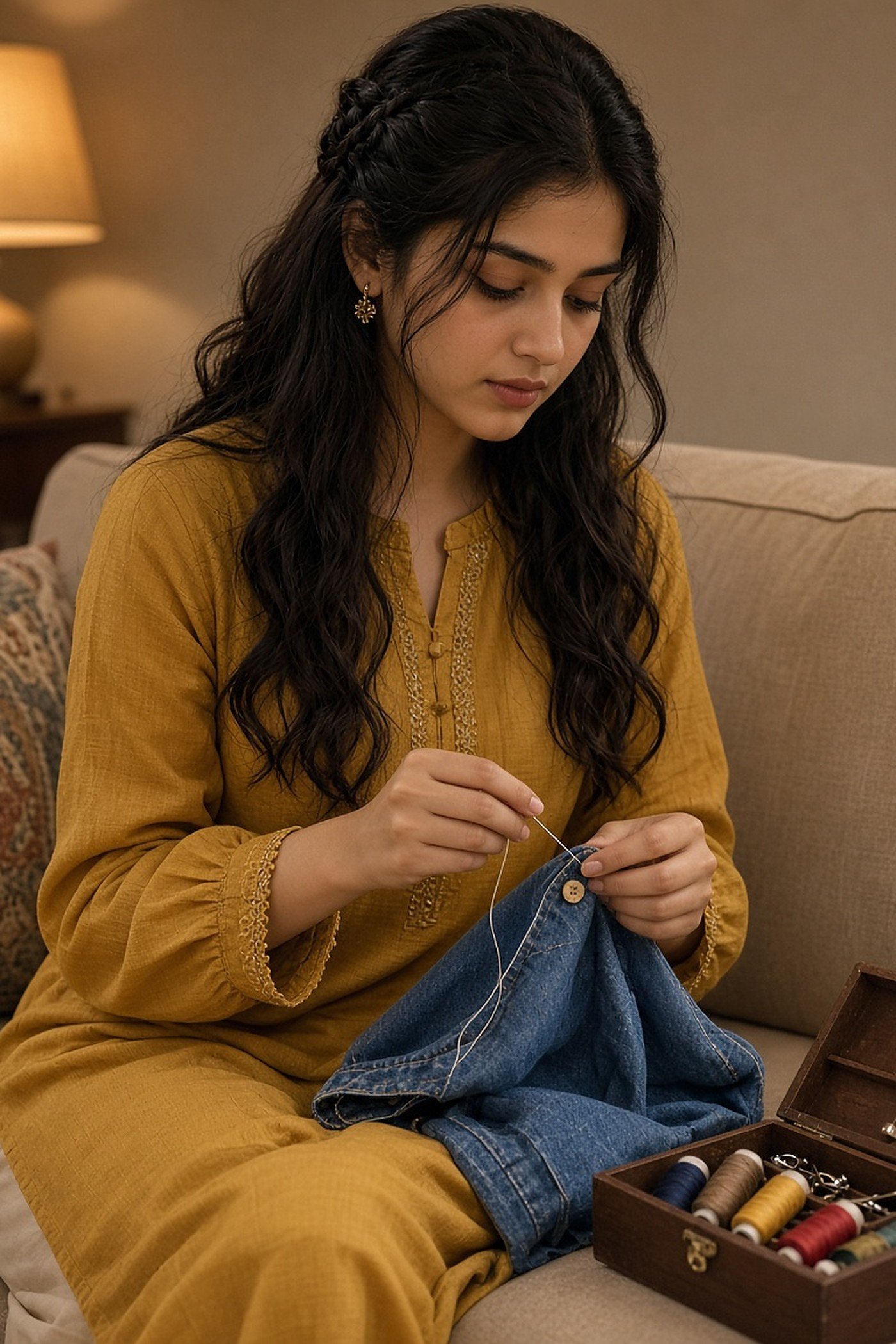
Sewing on a button, fixing a small hem, or closing a split seam takes a few minutes and saves you from replacing clothes. Keep a small kit with needles, thread in basic colors, safety pins, and spare buttons. Online tutorials make it easy to learn. Basic sewing skills also let you make small alterations so clothes fit better.
Start with simple tasks like sewing buttons, fixing hems, and closing small seams. A basic kit with needles, thread, and scissors saves money and extends the life of favorite clothes.
14. Protect From Moths
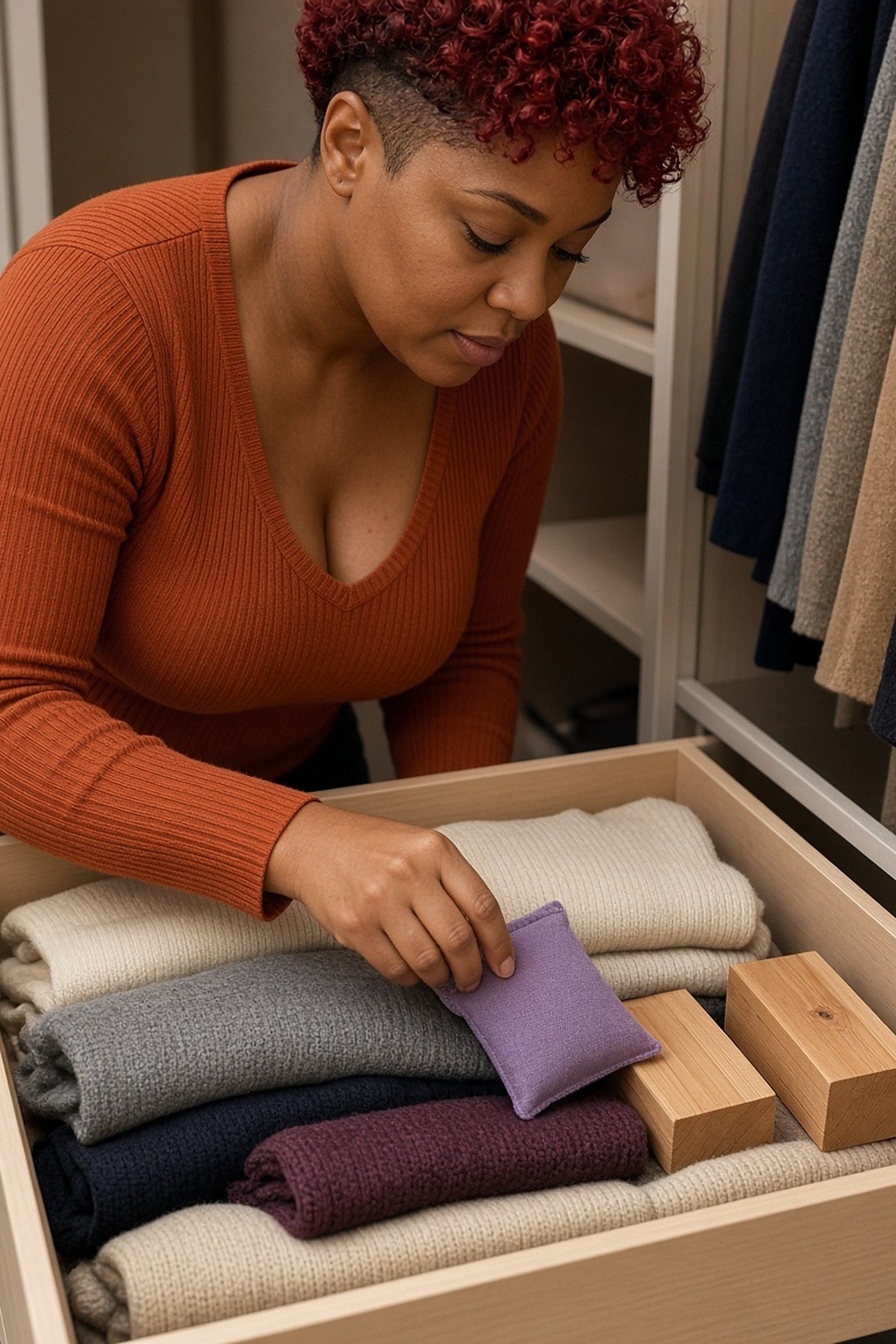
Moths love wool, cashmere, and silk, especially if items are stored dirty. Always clean clothes before storing them, and use cedar blocks or lavender sachets in drawers and closets. Check stored knits regularly for holes. Vacuum closet corners and air out wardrobes seasonally. Sealed garment bags protect special pieces during long-term storage.
Store wool and cashmere clean, in breathable bags, with cedar blocks or lavender sachets. Moths are attracted to body oils and food stains, so always wash or brush knits before storing them.
15. Clean Shoes Regularly
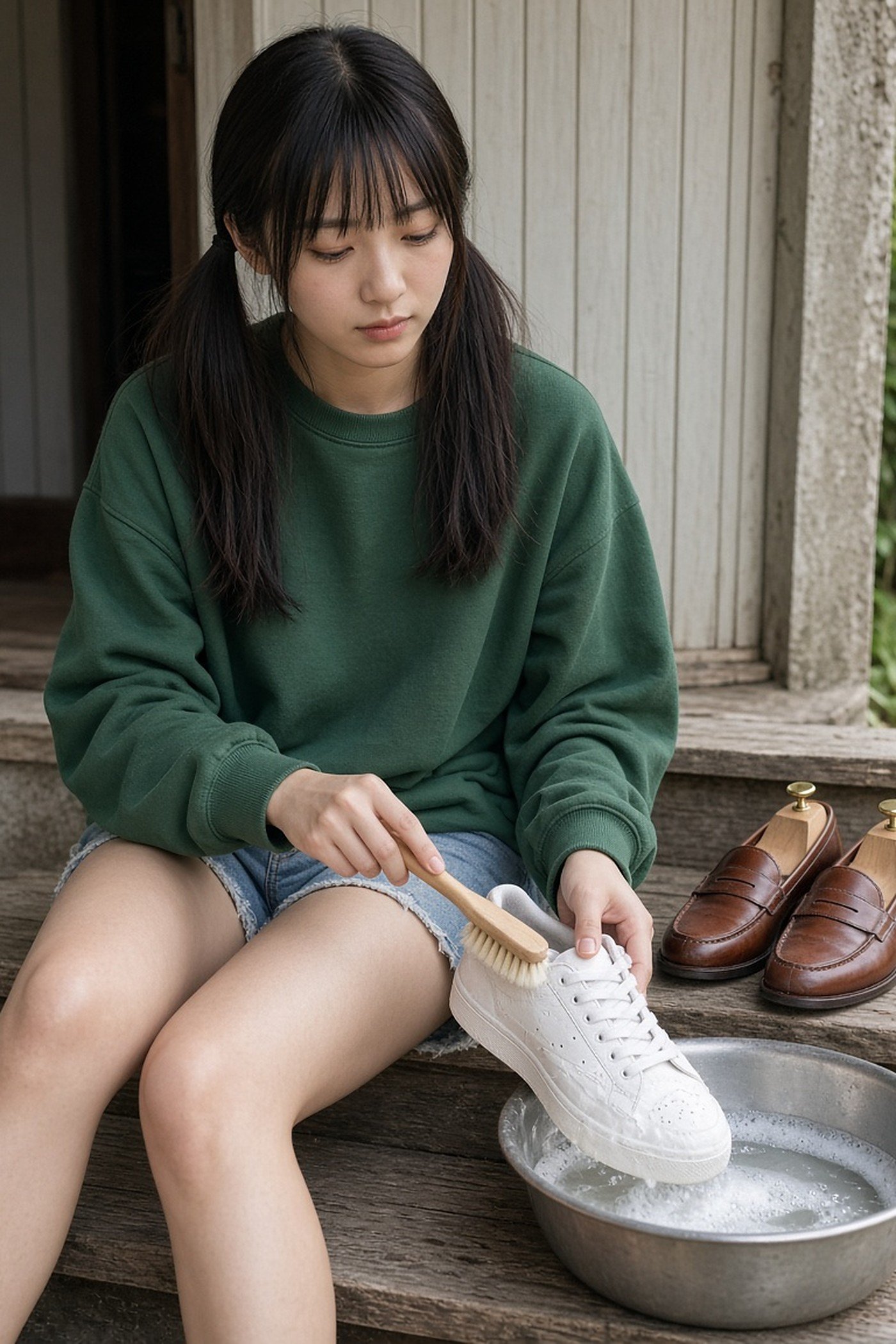
Clean sneakers with a soft brush and mild soap, condition leather shoes, and protect suede with a waterproof spray. Use shoe trees or stuff shoes with paper to keep their shape, and rotate pairs so each has time to dry out between wears. Well-cared-for shoes last much longer and make every outfit look more polished.
Wipe leather shoes after wear, use shoe trees to hold their shape, and condition them every few months. Clean sneakers with a soft brush and mild soap to keep them looking fresh.
16. Visit a Tailor
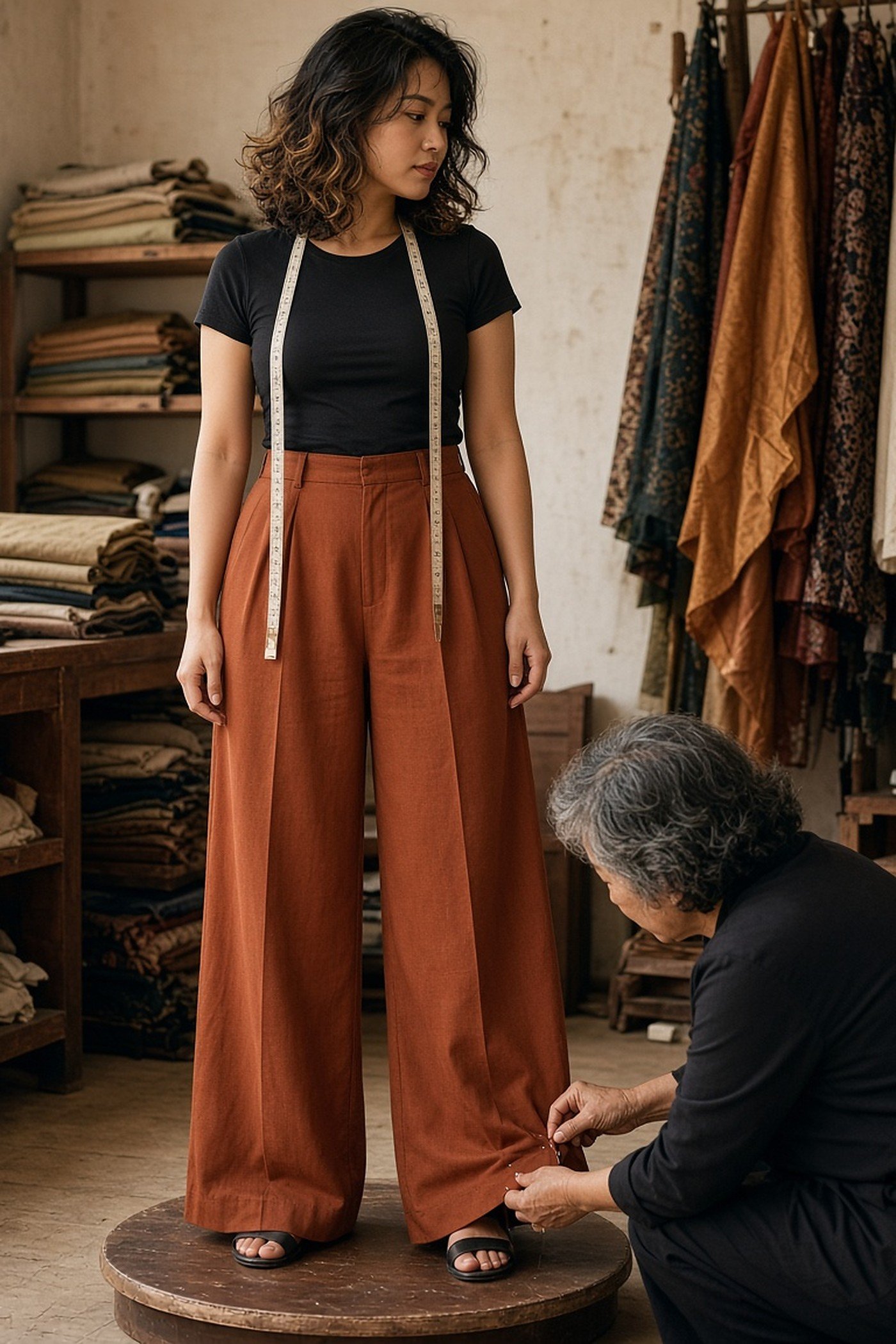
A tailor can hem trousers, take in a waist, shorten sleeves, or replace a zip, transforming inexpensive clothes into pieces that look made for you. Alterations are often affordable and extend the life of clothes you already love. Building a relationship with a local tailor is one of the best wardrobe investments you can make.
A good tailor can shorten trousers, take in waists, and adjust sleeves, making affordable pieces look custom. Small alterations are usually inexpensive and make a huge difference to fit.
Small Habits, Big Results
Caring for clothes well is one of the easiest ways to stretch your budget. Set up a simple laundry routine, keep a small sewing kit, and store clothes thoughtfully. Over time these habits become second nature.
Pin these 16 tips and start with one new habit this week.