10 Wardrobe Decluttering Tips for Women Over 60
After 60, a closet often holds decades of memories: work clothes from a former career, outfits from family celebrations, and pieces that no longer fit your body or the way you live now. Decluttering can feel daunting, but it brings real freedom. A smaller, well-loved wardrobe makes getting dressed q
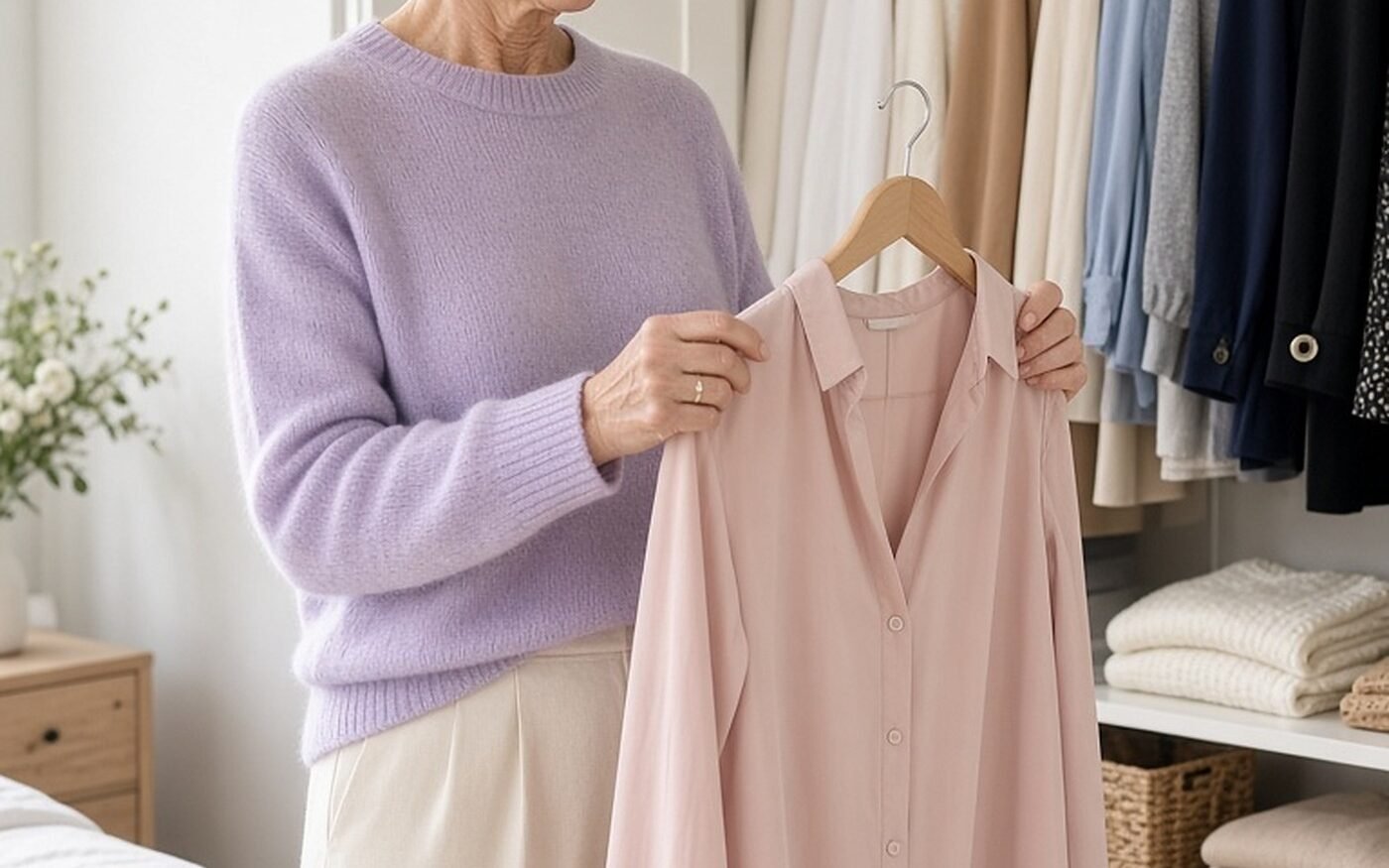
After 60, a closet often holds decades of memories: work clothes from a former career, outfits from family celebrations, and pieces that no longer fit your body or the way you live now. Decluttering can feel daunting, but it brings real freedom. A smaller, well-loved wardrobe makes getting dressed quicker, easier, and more joyful every single day.
These 10 decluttering tips for women over 60 will help you keep what you love, release what you do not, and create a closet that truly suits your life today. Work slowly, be kind to yourself, and celebrate each small win along the way.
1. Start With One Small Area
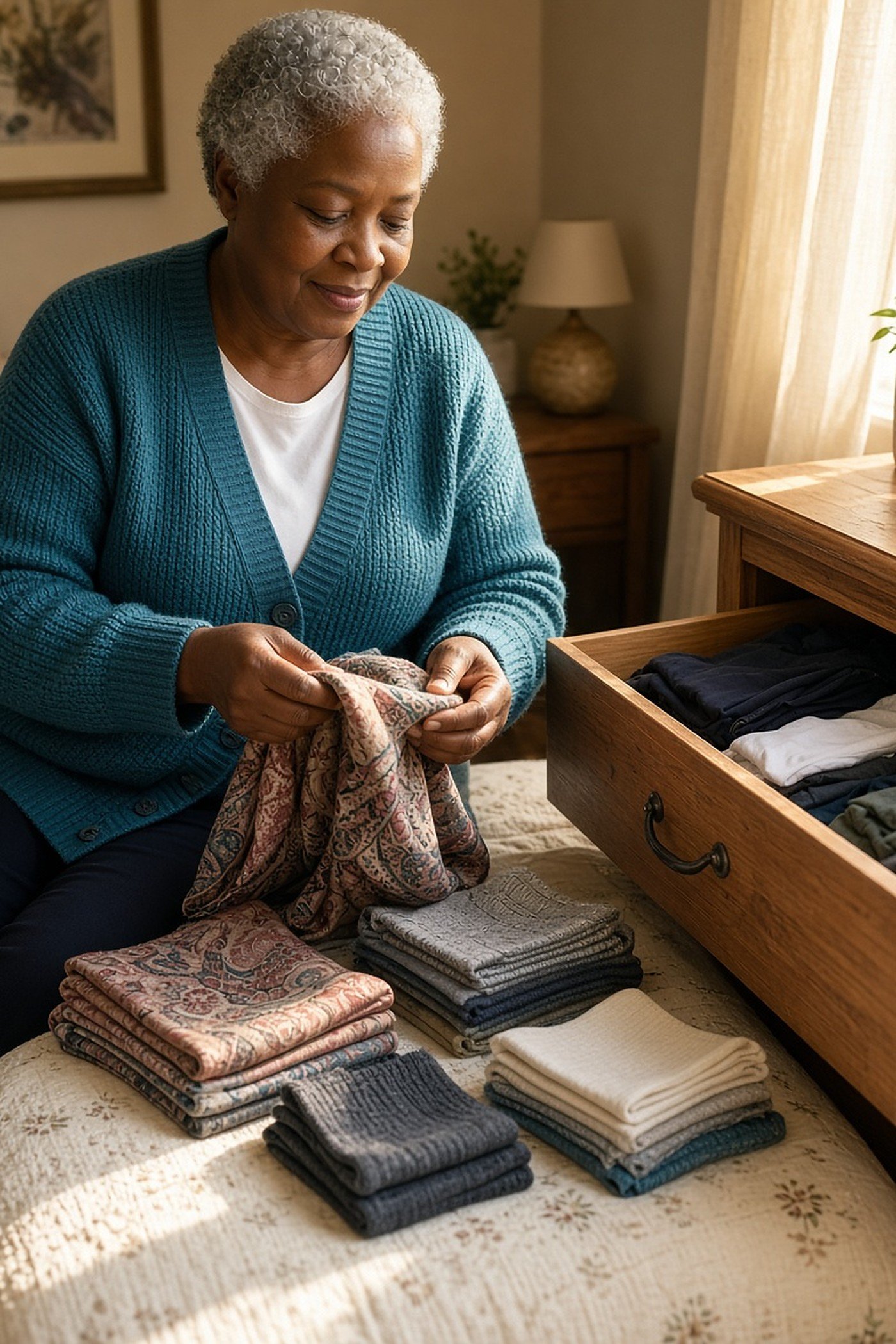
Begin with a single drawer or one shelf rather than the whole closet. Finishing a small space quickly builds momentum and confidence, and it stops the job from feeling overwhelming. Choose an area that annoys you most, such as an overstuffed sock drawer or a shelf of jumbled sweaters. Empty it completely, wipe it down, and only return the items you genuinely use and love. Many women find that once the first drawer is done, the rest of the closet suddenly feels far more manageable. Set a timer for thirty minutes and stop when it rings, so each session stays pleasant.
2. Try Everything On
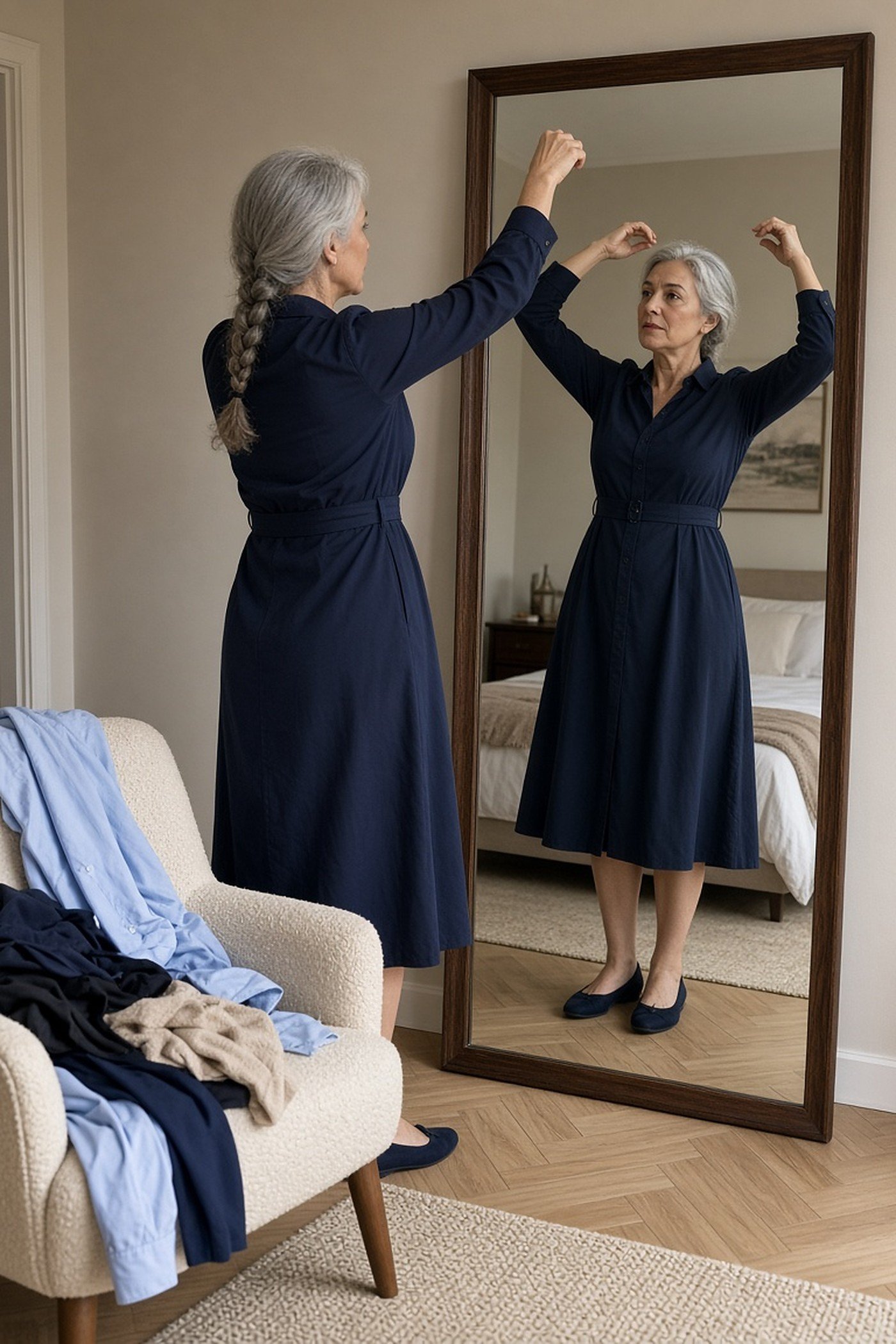
Bodies change after 60, and so do preferences, comfort needs, and lifestyles. Try on each piece and ask honestly whether it fits, feels comfortable, and suits the life you lead now. Check that you can lift your arms, sit down, and bend without pulling or pinching. Notice fabrics that scratch or cling and waistbands that dig in. If a piece needs constant adjusting, it is time to let it go, no matter how lovely it looks on the hanger. A full-length mirror and good natural light make honest decisions much easier.
3. Keep What You Actually Wear
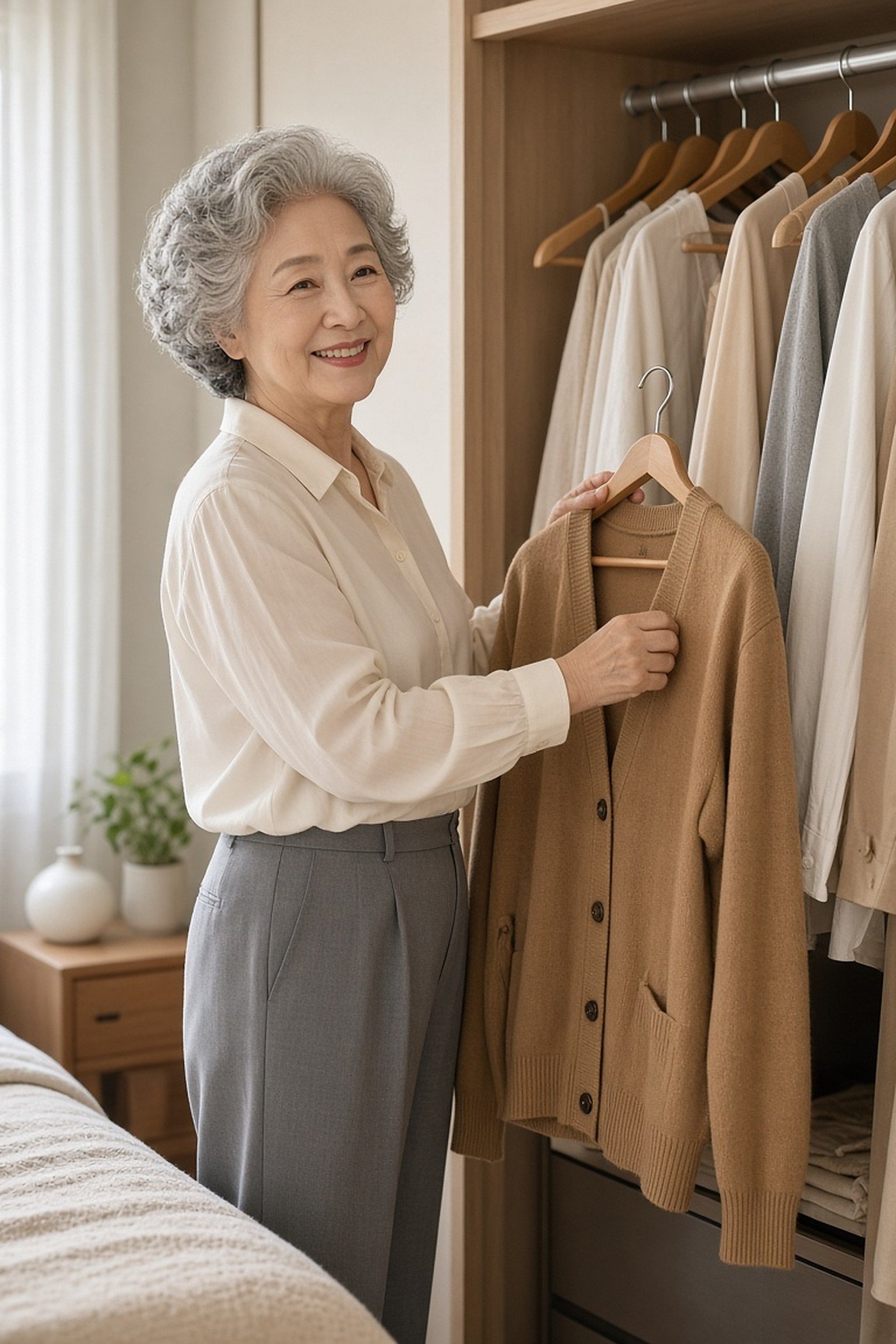
Notice the pieces you reach for every week; these are your true favorites and should form the heart of your wardrobe. A simple trick is to turn every hanger backward at the start of a season and turn it the right way once you wear the item. After a few months, the backward hangers show clearly what you never wear. Look at why your favorites work, whether it is the color, the fit, or the fabric, and use that knowledge to guide future purchases so you buy fewer pieces you will not use.
4. Let Go of Guilt
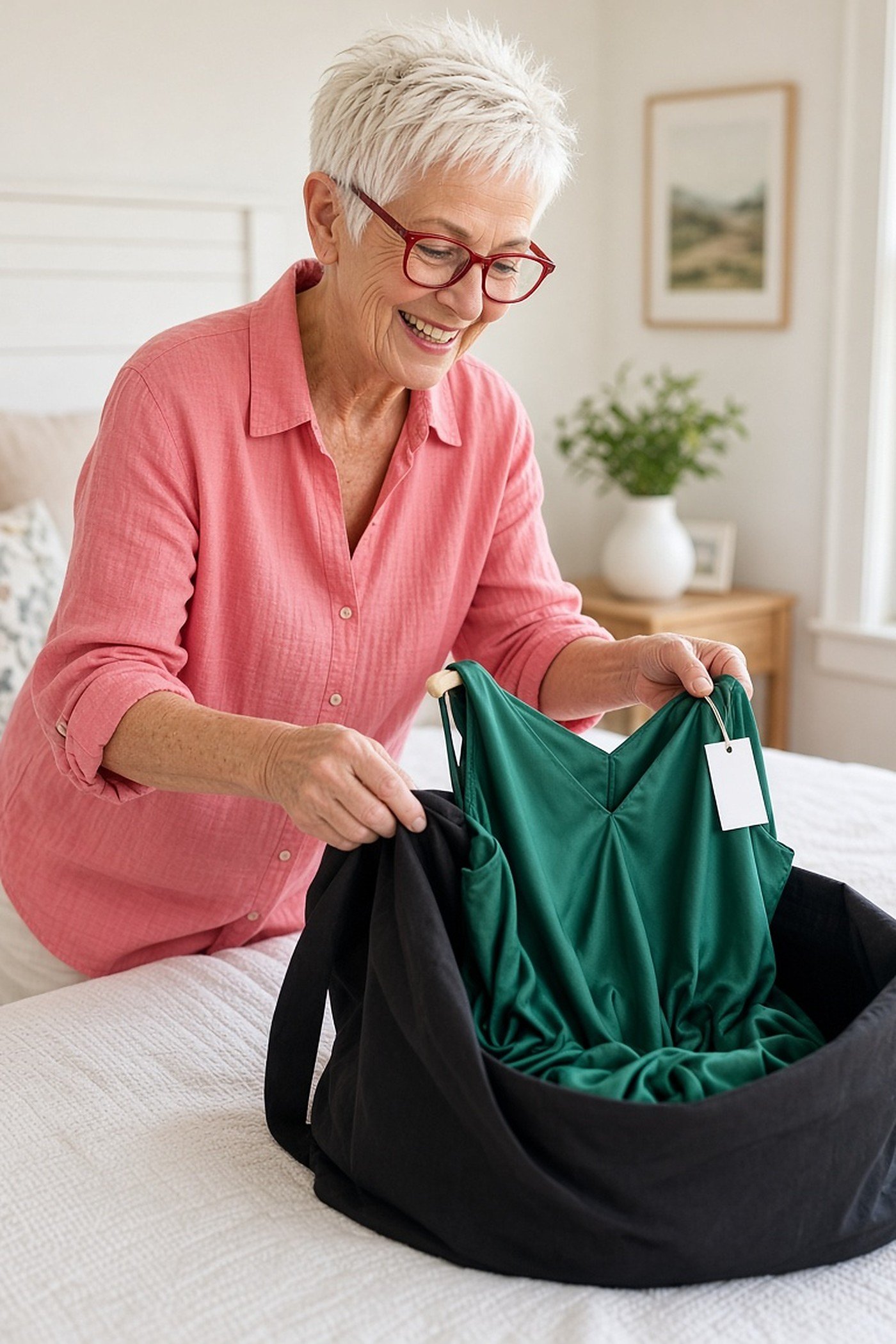
It is completely normal to feel guilty about expensive items or gifts you never wear. Remember that keeping them unworn does not recover the money or honor the giver. Passing them on lets someone else enjoy them and frees your closet for clothes that make you feel good. If you struggle, put doubtful items in a box with a date six months ahead. If you have not missed them by then, donate the box without opening it. This gentle approach takes the pressure off difficult decisions.
5. Create a Memory Box
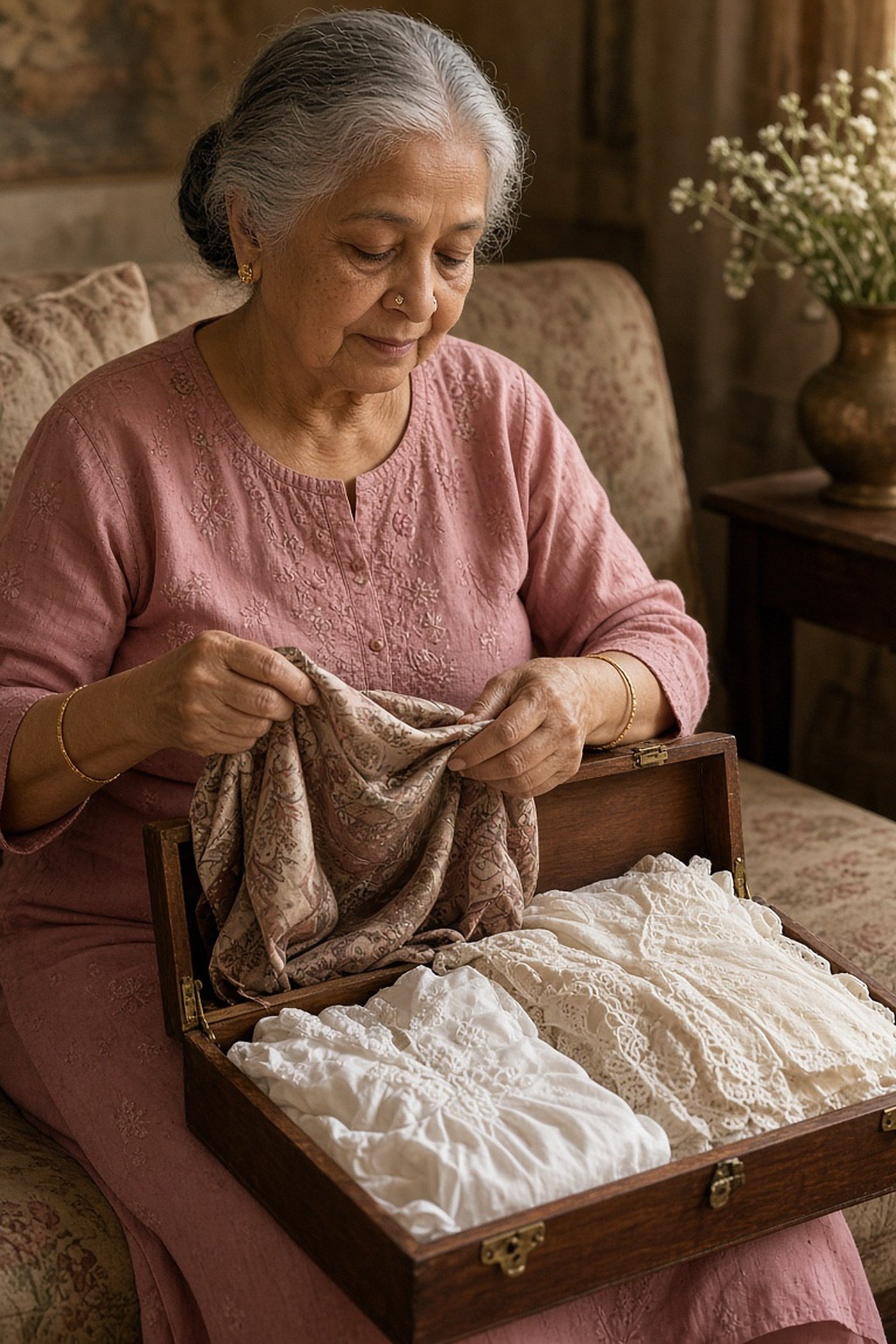
Some clothes carry precious memories, such as a wedding dress, a mother’s scarf, or a child’s christening outfit. Rather than letting these pieces crowd your daily closet, keep a few in one special memory box stored somewhere dry and safe. Wrap delicate items in acid-free tissue and label the box. You might also take photos of sentimental pieces before letting them go, or turn fabric into a cushion or quilt. Honoring memories this way keeps them close without filling the space you use every day.
6. Donate and Sell Thoughtfully

Women’s shelters, charity shops, and work-wear charities welcome quality clothes, and knowing your clothes help others makes decluttering much easier. Designer items, good coats, and quality handbags can be sold through consignment shops or resale apps, which can fund a few new pieces you will truly wear. Ask a family member to help with photos and listings if technology feels tiresome. Wash or dry clean items before donating, and drop them off promptly so bags do not sit in the hallway for weeks.
7. Organize by Category

Once you have edited your wardrobe, group trousers, tops, dresses, and jackets together so you can see what you own at a glance. Within each group, arrange items from light to dark. This calm, logical order helps you build outfits quickly in the morning and spot duplicates before you buy something similar. Use slim matching hangers to save space and make the closet look tidy. Clear boxes or labeled baskets keep scarves, belts, and small accessories visible instead of hidden in a heap.
8. Make Things Easy to Reach

Store everyday clothes at waist and eye level, so you are not bending or stretching for the things you use most. Keep heavier items like coats and jeans on sturdy, easy-to-reach rails, and move seasonal pieces to higher shelves or boxes. Pull-out baskets, low rails, and bright lighting are worth adding, especially if reaching has become harder. A small, stable step stool helps you reach upper shelves safely. A closet that is easy to use is one you will keep organized.
9. Store Off-Season Clothes
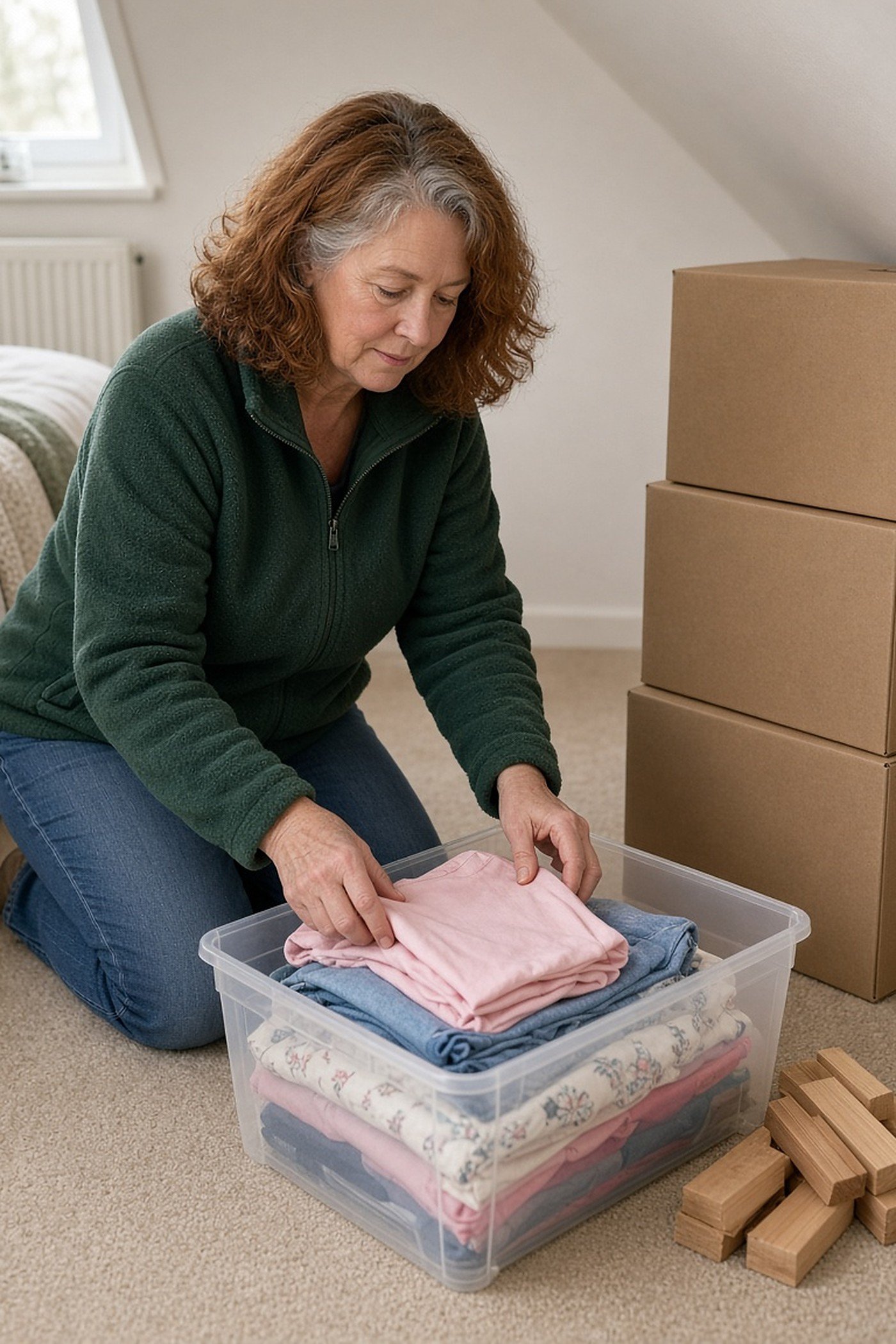
Packing out-of-season clothes into labeled boxes frees up space and makes your current wardrobe feel fresh twice a year. Clean everything before storing, since moths are attracted to food and body oils. Add cedar blocks or lavender sachets to protect wool, and keep boxes somewhere dry and easy to reach. When the season changes, unpack slowly and review each item again. This natural checkpoint makes it easy to keep clutter from building back up.
10. Fill Gaps Thoughtfully
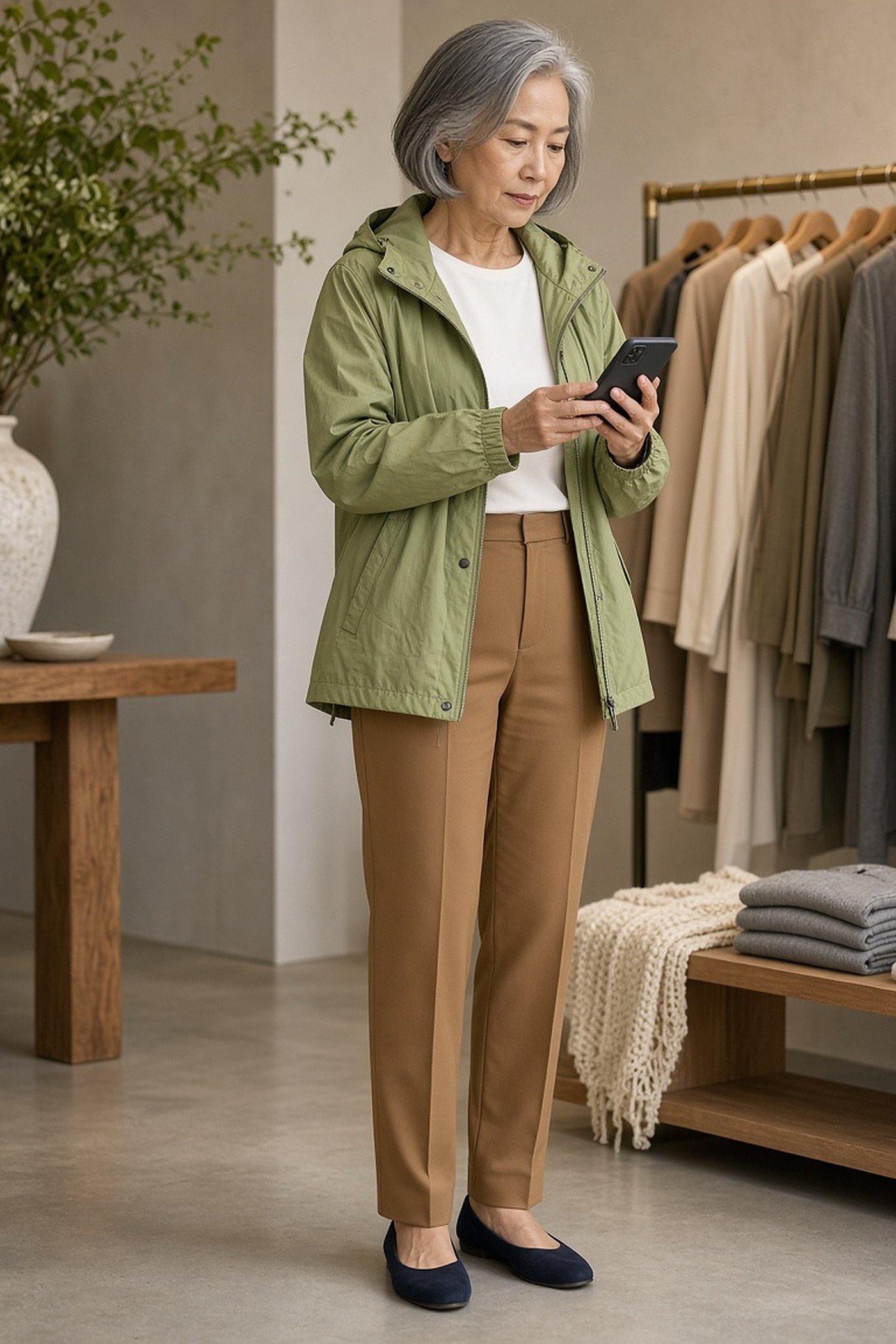
After decluttering, note what is genuinely missing, such as warm trousers that fit, comfortable flats, or a light rain jacket. Keep a short list on your phone so you shop with purpose and avoid impulse buys that create new clutter. Choose quality pieces in colors that work with what you already own. A rule of one in, one out keeps your closet balanced. Shopping with a clear list also makes it more enjoyable and less tiring.
Enjoy Your Calm Closet
Decluttering after 60 is not about owning as little as possible. It is about surrounding yourself with clothes that make you feel comfortable, confident, and like yourself. Play music, open a window, and make it an enjoyable ritual rather than a chore.
Keep a small donation bag at the bottom of your closet and review your wardrobe each season. Pin these 10 tips and start with one drawer today.